Traffic safety equipment plays a critical role in preventing accidents, protecting workers, and ensuring smooth traffic flow in construction zones, roadways, parking areas, and industrial sites. With increasing urban development and vehicle density, the demand for reliable traffic control solutions has never been higher. From temporary roadwork projects to permanent traffic management systems, using the right equipment helps reduce risks and improves overall public safety.
Whether you manage a construction site, oversee municipal traffic planning, or operate an industrial facility, understanding the importance of high-quality traffic safety equipment is essential for compliance, efficiency, and protection.
Traffic-related accidents often occur due to poor visibility, lack of guidance, or inadequate warning systems. Traffic safety equipment is designed to alert drivers, guide pedestrians, and create controlled movement in potentially hazardous areas. Proper equipment minimizes confusion, improves reaction time, and creates clear boundaries between vehicles, workers, and pedestrians.
Beyond safety, traffic control equipment also supports regulatory compliance. Many regions require certified and standardized equipment to meet occupational and roadway safety regulations. Investing in the right tools not only protects lives but also reduces liability and operational risks.

Traffic safety equipment comes in various forms, each designed for specific applications. Selecting the right type depends on the environment, traffic volume, and duration of use.
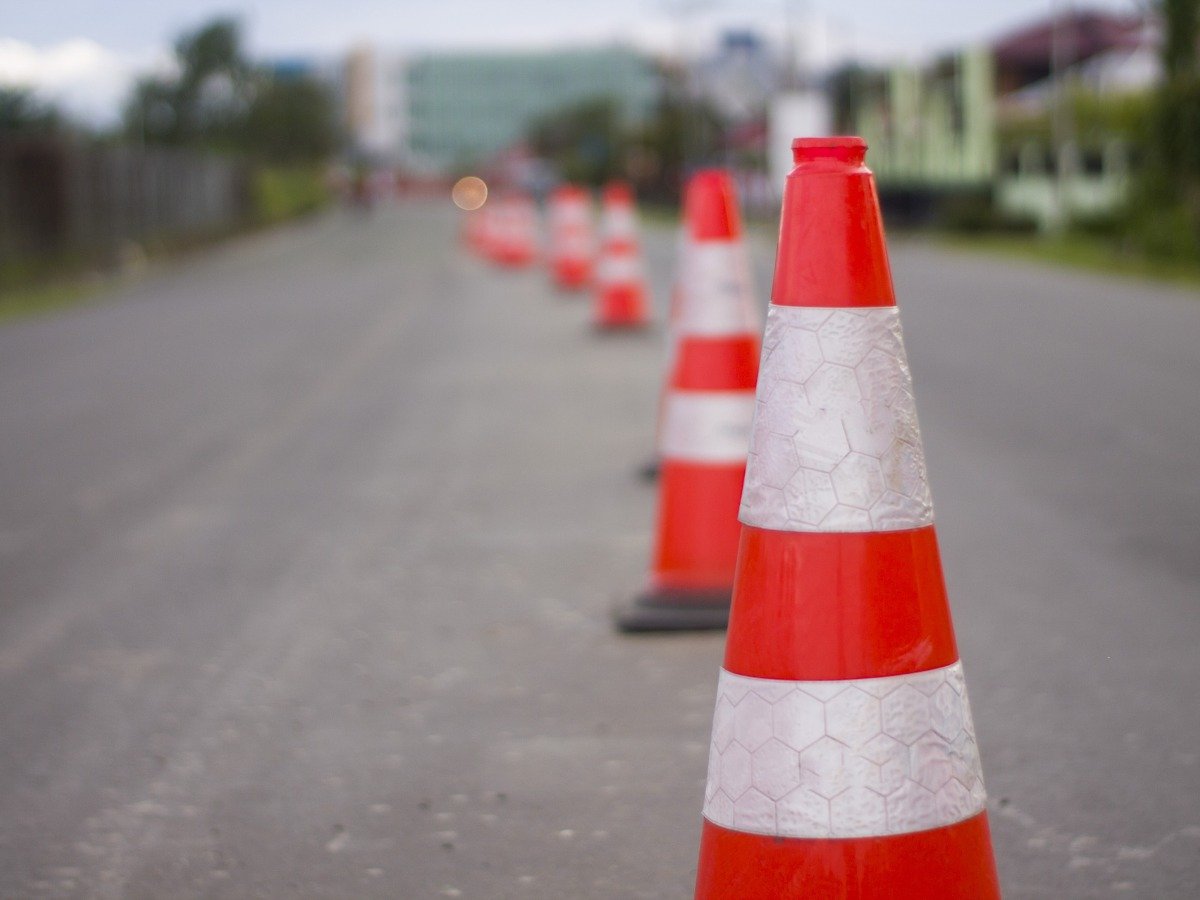
Traffic cones are among the most widely used safety tools due to their portability and visibility. They are ideal for short-term projects, lane closures, and temporary hazards. Channelizers provide more stability and are often used for longer-term traffic redirection.
Barricades and barriers help block access to restricted areas and guide traffic away from danger zones. These include plastic barricades, water-filled barriers, and concrete barriers, each offering different levels of impact resistance and durability.
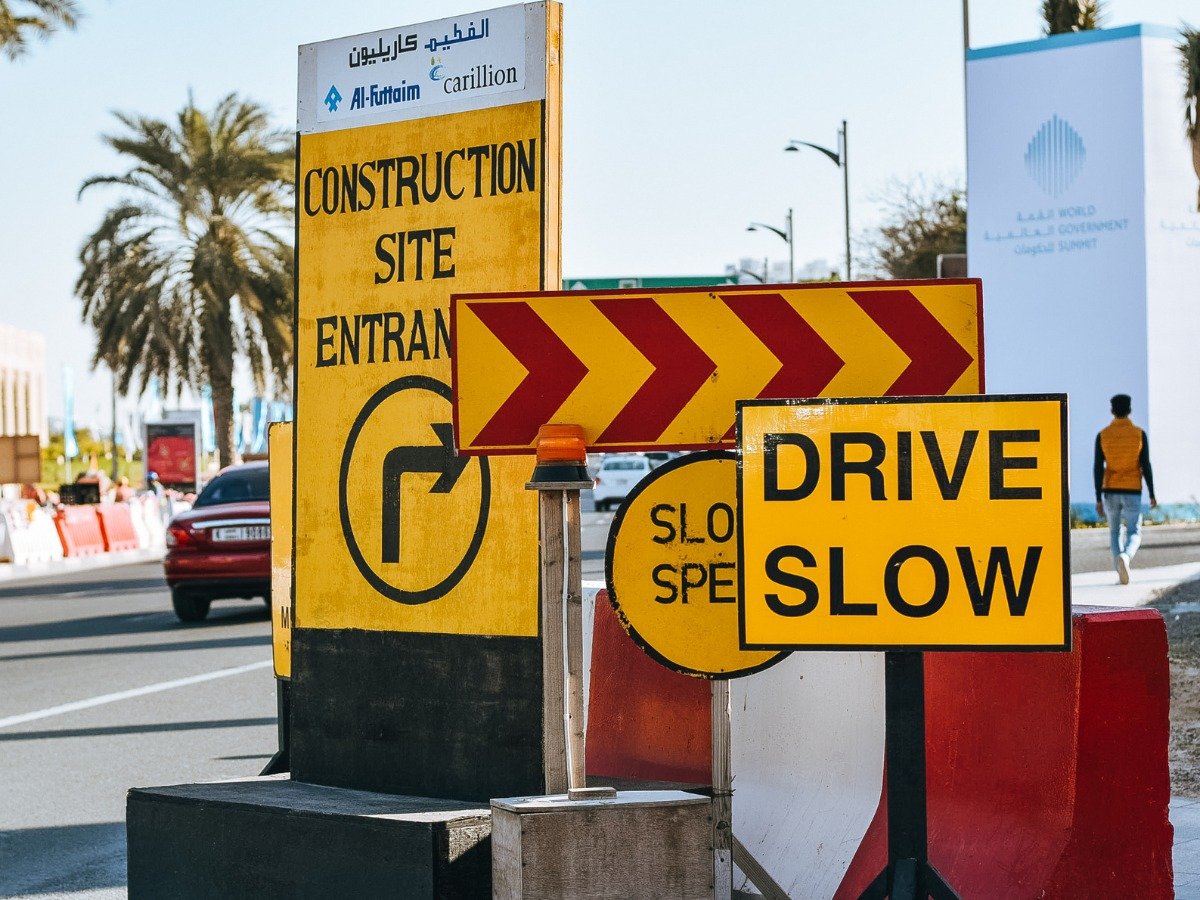
Temporary and permanent traffic signs communicate essential information such as speed limits, detours, lane closures, and hazard warnings. Reflective materials and clear messaging ensure visibility during both day and night conditions.
Delineators and bollards help define traffic lanes, separate pedestrian areas, and protect sensitive zones. Flexible bollards are commonly used in parking lots and urban streets, while rigid bollards offer higher impact protection.
Traffic safety equipment also includes personal protective equipment such as reflective vests, jackets, and gloves. These ensure that workers remain visible to drivers, especially in low-light or high-speed environments.
Traffic safety equipment is used across multiple industries and environments, making it a vital investment for both public and private sectors.
Construction zones are high-risk areas where traffic safety equipment is essential. Cones, barriers, signage, and flagging tools help manage traffic flow while protecting workers on site.
In parking facilities and commercial spaces, safety equipment improves vehicle organization and pedestrian safety. Speed bumps, bollards, and directional signs help prevent collisions and confusion.
Factories, warehouses, and logistics centers use traffic safety equipment to manage forklift movement, loading zones, and pedestrian pathways, reducing workplace accidents.
Cities and municipalities rely on traffic safety equipment for events, emergency road closures, and permanent traffic management systems to ensure public safety.
Not all traffic safety equipment offers the same level of performance or durability. Choosing the right products requires careful evaluation of several factors.
High-visibility colors and reflective surfaces are essential, especially for nighttime or low-light conditions. Equipment should meet industry standards for reflectivity and visibility.
Traffic safety equipment is often exposed to harsh weather, heavy traffic, and frequent handling. Materials should be resistant to UV exposure, impact, and environmental wear.
Equipment should comply with local and international safety regulations to ensure proper performance and legal compliance.
For temporary projects, lightweight and easy-to-install equipment saves time and labor costs while maintaining safety standards.
Working with a reliable supplier ensures access to high-quality traffic safety equipment that meets safety regulations and performance expectations. A trusted provider offers expert guidance, consistent product availability, and solutions tailored to specific project needs.
Reliable suppliers also prioritize product testing and certification, helping businesses and municipalities maintain compliance while improving safety outcomes.
Investing in quality traffic safety equipment delivers long-term value beyond immediate protection. Proper equipment reduces accident-related costs, minimizes downtime, and enhances operational efficiency. It also builds public trust and demonstrates a commitment to safety and responsibility.
In many cases, durable and reusable safety equipment reduces replacement costs over time, making it a cost-effective solution for ongoing traffic management needs.
Reliable Safety Solution provides dependable traffic safety equipment designed to meet industry standards and real-world demands. With a focus on quality, durability, and compliance, the company supports businesses, contractors, and municipalities in creating safer environments for workers and the public.
From essential traffic control tools to advanced safety solutions, Reliable Safety Solution helps clients implement effective traffic management strategies that reduce risks and improve operational safety.
Traffic safety equipment is used to control vehicle movement, warn drivers of hazards, protect workers, and ensure pedestrian safety in roadways, construction zones, and industrial areas.
In most regions, traffic safety equipment is required to comply with workplace and roadway safety regulations, especially in construction and public traffic environments.
Selection depends on factors such as traffic volume, project duration, visibility requirements, and local safety standards. Consulting a reliable supplier can help ensure the right choice.
Many types of traffic safety equipment are designed for repeated use, provided they are properly maintained and stored after use.
Specialized suppliers ensure compliance, product durability, and access to expert guidance, helping you maintain safety standards while reducing risks and long-term costs.