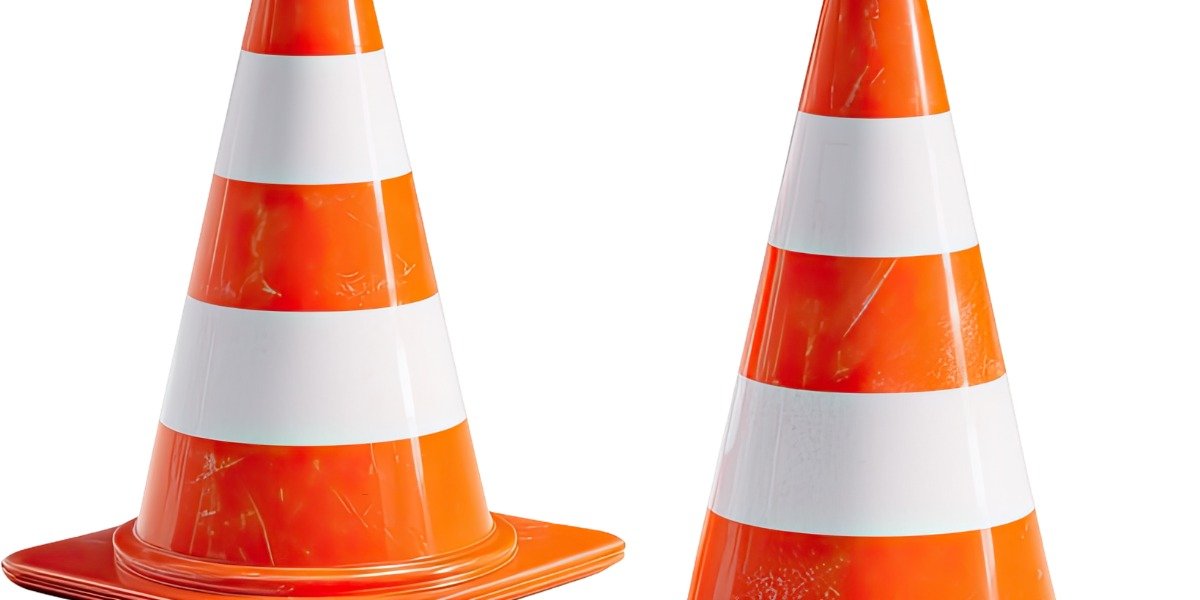
Durable traffic cones are essential tools for keeping highways and construction zones safe. These are known to provide clear guidance to drivers, prevent accidents, and organize efficient vehicle flow.
The local traffic administration claims that proper traffic control devices can reduce work-zone accidents by up to 50 percent.
High-quality cones withstand heavy traffic, harsh weather, and repeated impact, ensuring safety remains consistent.
It is important to understand the types, durability features, and placement strategies to help planners, contractors, and road safety teams maintain secure work environments while minimizing traffic disruptions.
When something is described as durable, it means it can handle wear, pressure, or damage without breaking. For traffic cones, durability refers to their ability to:
Durability keeps cones effective throughout their service life. A cone that cracks, bends, or fades creates confusion and increases risk for drivers and workers. Road safety officials pick materials and designs that last because frequent replacements waste time and money.
Traffic cones serve many safety purposes on highways. They act as visual guides, physical barriers, and early warnings for drivers.
Highways often undergo maintenance where lanes shift temporarily. Durable cones separate lanes and clearly mark the new path for drivers.
When cones remain upright and visible, drivers adjust speed and position sooner. Good visibility leads to fewer sudden braking events.
Construction and maintenance zones place workers close to fast‑moving traffic. Traffic cones create a buffer between workers and vehicles.
Durable cones stay in place when wind or vehicle drafts push air across the road surface. They protect workers by creating a dependable visual and physical barrier.
Hazards like potholes, debris, and sudden shifts in road surface can surprise drivers. Placing cones around hazards alerts drivers to slow down and choose safe paths.
Traffic cones are often the first signal of a hazard ahead. If cones are worn or faded, drivers may not notice them until it is too late.
Repeated studies show that when drivers see clear, well‑placed traffic control devices ahead, they naturally slow down. Traffic cones that remain visible encourage safer driving behavior.
Clear work‑zone signage and devices reduce work‑zone crashes significantly over time because they give drivers time to react earlier.
Durability starts with the material used to make traffic cones. Many materials are used, each offering its own advantages and life expectancy.
PVC (polyvinyl chloride) is common because it bends under pressure and returns to shape without cracking.
A cone made of heavy‑duty PVC resists damage when lightly struck by a vehicle. PVC cones can also handle being stored outdoors without breaking down quickly.
Rubber cones provide added weight at the base so they stay stable in wind and passing vehicles. Heavy rubber cones resist tipping, especially useful on windy highways.
Some durable cones are made of layered materials that combine strength and flexibility. These remain upright longer and resist impacts that would damage ordinary cones.
Durable cones contain high‑visibility reflective bands. These bands shine when headlights hit them. The reflectivity helps drivers see cones at night or in the rain. Reflective materials must resist peeling and fading so visibility remains strong throughout the cone’s service life.
Material alone does not guarantee durability. Design features also matter.
A heavy base prevents cones from tipping over. On highways, wind and vehicle drafts can easily knock unstable cones down. A heavy base helps resist movement.
Traffic cones that bend instead of breaking return to their original shape. This flexibility increases life span and reduces replacement costs.
Cones designed to stack closely do not deform easily when stored. Shape memory helps them return to normal form after being stacked.
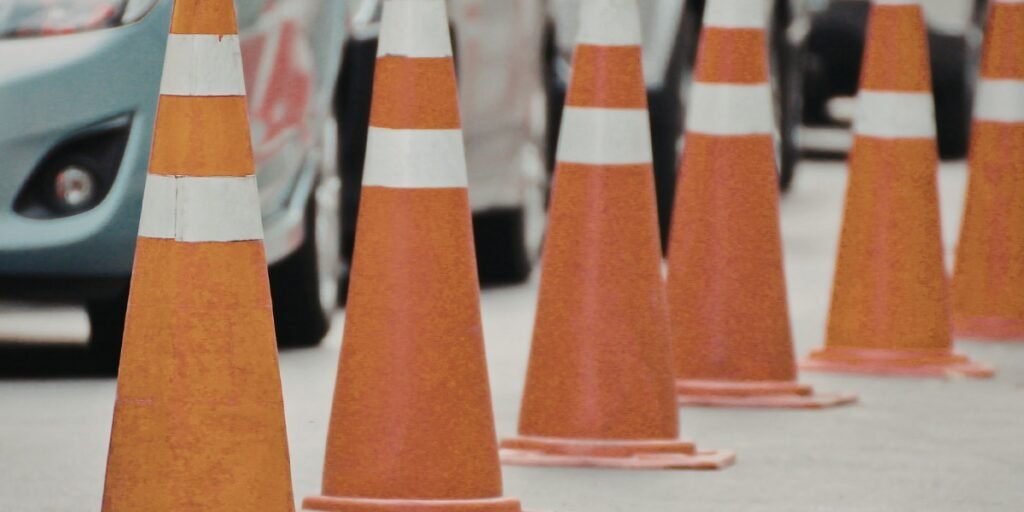
Construction zones are dynamic places. Work areas change by the hour. Traffic cones help manage these changes safely.
Durable cones stay where they are placed. A cone that stays in position creates a predictable space where workers can operate without unexpected vehicle intrusion. This reduces worker exposure to traffic risk.
A clear boundary helps drivers see where work begins and ends. Durable cones maintain that boundary through shifts in daylight and weather. This visual clarity reduces driver confusion.
Cones guide drivers to signs, barriers, or lights. If cones shift or fall, drivers miss signals and may make dangerous maneuvers. Durable cones support the entire safety plan by holding their position.
Traffic cones that break easily or lose reflectivity increase danger instead of reducing it.
Sunlight, rain, and dust can fade or wear down cones. Faded cones blend with pavement, making them harder to see. Drivers may miss them until it is too late to slow down.
Wind and passing vehicles create air turbulence. Lightweight cones fall over or fly across roadways. Fallen cones no longer guide drivers and may become projectiles that hit vehicles.
A cracked cone or one missing reflective band sends confusing signals. Drivers may misinterpret lane paths or hazard zones. Clear communication matters during every traffic scenario.
Planners and road crews use strategies that maximize the effectiveness of traffic cones.
Placing cones ahead of work areas gives drivers more time to adjust. Advance placement improves safety because drivers reduce speed sooner.
Spacing cones too far apart makes it harder for drivers to follow patterns. Too close and drivers may slow sharply. A consistent interval creates a visual rhythm that drivers understand quickly.
Reflective bands must be positioned where headlights hit them. This ensures maximum visibility. Aligning reflectivity with typical headlight angles increases reaction time.
Before every shift, crews should check cones for damage. Cracks, missing bands, or leaning cones need replacement. Routine inspection prevents failures during active traffic hours.
Darkness reduces drivers’ ability to spot hazards. Durable traffic cones with good reflectivity shine bright when headlights hit them. Nighttime work zones rely on reflectivity to guide drivers safely.
Cones should be seen clearly from a distance that gives drivers enough time to slow down and adjust lanes according to posted signs.
Reflective materials degrade over time due to weather and dirt. Cleaning reflective bands and replacing faded cones keeps nighttime guidance consistent.
Weather can change quickly. Rain, fog, dust, and heat affect how well traffic cones perform.
Rain obscures painted lines on roads. It also reduces contrast between cones and pavement. Reflective bands help drivers see cones even when rain blurs the surface.
Fog dramatically reduces visibility. Reflective cones shine through fog better than other signals because they bounce headlight beams back toward the driver.
High winds can topple cones that lack weight at the base. Durable cones with heavier bases remain upright and visible. Their stable position helps drivers choose the correct speed and path.
Ultraviolet rays fade colors over time. Cones made of UV‑resistant materials last longer and stay visible even after long exposure.
Durability saves money over time. Strong cones do not need frequent replacement. Road crews spend less on storage, handling, and labor when cones last through many work projects. Agencies that select quality products avoid repeated purchasing costs.
Traffic safety devices that last also improve planning. Crews spend less time fixing cone placement issues on active roads. Time saved translates into improved worker safety and reduced labor costs.
Durable traffic cones matter on highways and in construction zones because they provide dependable guidance to drivers. They protect workers, organize traffic flow, and help reduce accidents. When cones fail, visibility drops, risk increases, and safety objectives are lost.
Roads deserve traffic devices that can endure daily wear, adverse weather, and heavy traffic. Choosing strong cones and placing them correctly supports drivers and crews alike. Every effort to improve traffic control helps save lives and keeps traffic on track.
Durable cones remain visible and upright under high‑speed traffic, reducing crashes and guiding drivers through work zones safely. They resist wind, impacts, and fading better than weak cones.
Traffic cones separate work areas from moving vehicles and alert drivers to slow down. Durable cones protect workers and provide clear lane guidance throughout changing work environments.
Durable cones use heavy bases and flexible materials that resist cracks and fading. Reflective bands improve night visibility. Quality materials keep cones effective for longer time.
Yes. When drivers see well‑placed, reflective cones ahead, they slow down sooner. Clear visual cues trigger safer driving reactions and reduce sudden braking events.
Cones should be spaced evenly based on road speed and work‑zone layout. Even spacing creates a continuous pattern that drivers follow easily and respond to proactively.